Regulatory Changes Drive Shifts in Deposit Methods for Mobile Sports Bettors Across Latin America
Vera Frank · Jul 21, 2026
Regulatory Changes Drive Shifts in Deposit Methods for Mobile Sports Bettors Across Latin America
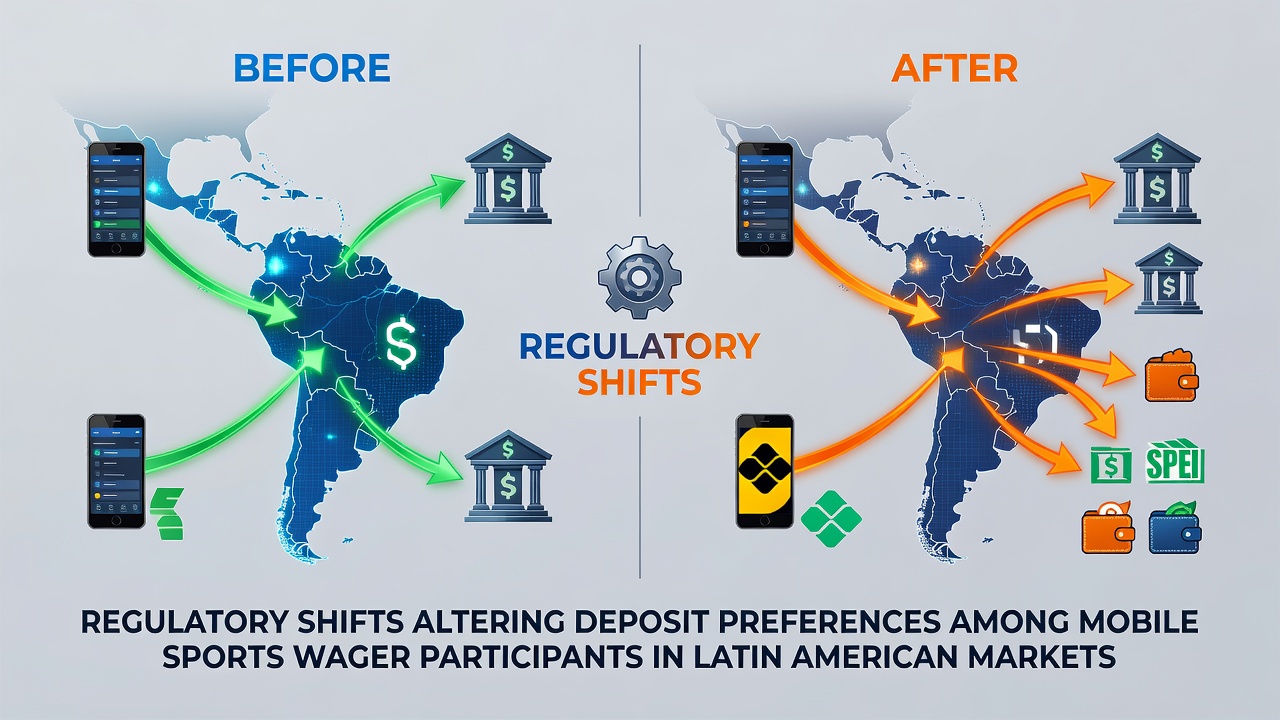
Regulatory updates across several Latin American countries have prompted measurable changes in how participants fund mobile sports wagering accounts, with new compliance requirements steering users toward specific payment channels. Brazil's implementation of stricter anti-money laundering protocols in early 2026, for instance, has coincided with increased adoption of local bank transfers over cryptocurrency options, while similar measures in Argentina and Colombia have produced parallel adjustments in user behavior.
Data from the first half of 2026 indicates that deposit preferences among mobile sports wager participants now reflect these policy adjustments more directly than in previous years. Participants in markets with fresh licensing rules report higher volumes of transactions routed through regulated financial institutions, whereas platforms offering unrestricted crypto access have seen relative declines in activity.
Brazil's Banking Rules Reshape Funding Patterns
Brazil's Central Bank expanded its oversight of digital payment flows tied to gaming activities starting in March 2026, requiring operators to verify sources of funds more rigorously before processing deposits. This framework has led many users to favor PIX instant transfers from domestic accounts because the system already integrates with existing identity checks, reducing friction compared with international crypto wallets that now trigger additional verification steps.
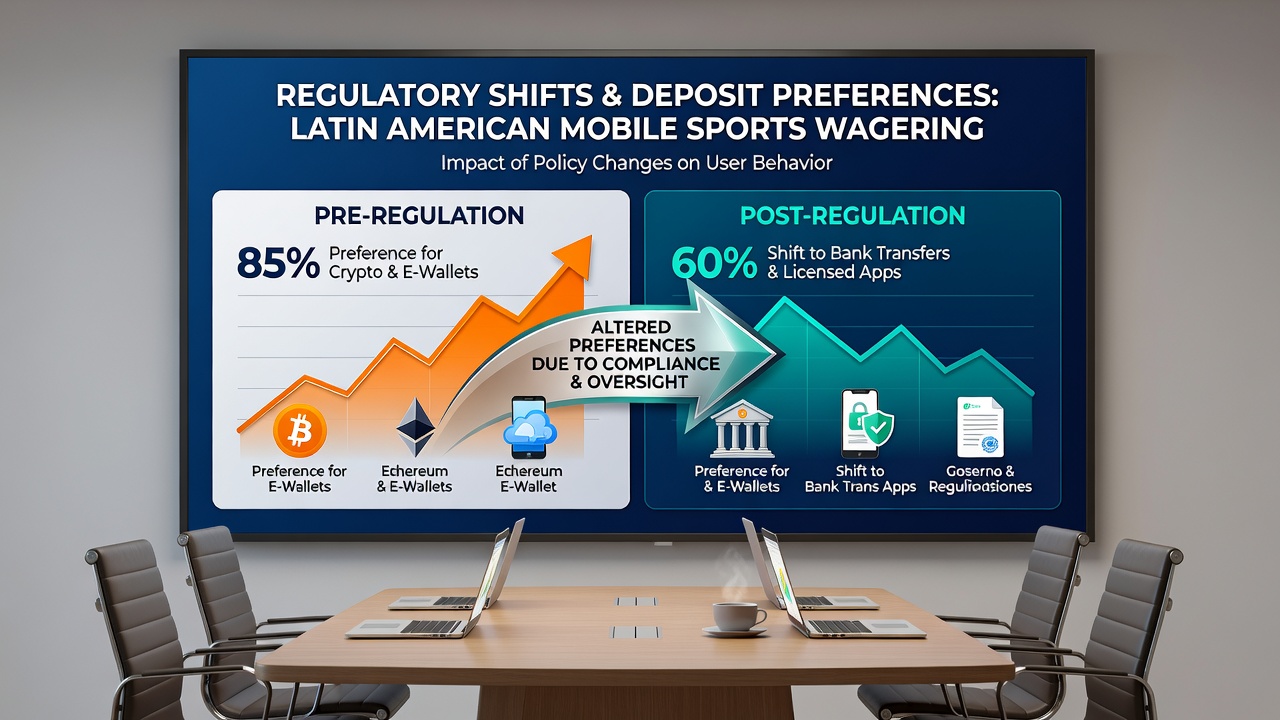
Figures released by the Central Bank of Brazil show a 28 percent rise in PIX usage for online betting deposits between January and June 2026, while crypto-related inflows dropped by roughly 19 percent over the same period. Operators have responded by highlighting local bank partnerships in their apps, and participants appear to follow these prompts when selecting methods at checkout.
Argentina and Mexico See Parallel Adjustments
Argentina's economic stabilization measures introduced in late 2025 carried over into 2026 with new tax reporting obligations on foreign currency transactions, including those connected to sports platforms. Mobile users there have shifted toward peso-denominated debit cards and official exchange channels rather than dollar-based digital assets, which now carry additional reporting burdens.
In Mexico, the federal gaming authority tightened integration standards between betting apps and payment processors during the second quarter of 2026. The updated guidelines favor institutions already licensed under national financial regulations, prompting participants to migrate from third-party e-wallets toward direct card or bank links that comply with the new standards.
Colombia and Broader Regional Trends
Colombia's gaming regulator issued updated circulars in April 2026 that require real-time reporting of high-value deposits, which has accelerated the use of locally approved digital wallets tied to national banking networks. Observers tracking transaction data note that these wallets now account for a larger share of mobile sports wagering activity than they did twelve months earlier.
Across the region, industry reports compiled by Americas Market Intelligence highlight consistent movement toward methods that align with national financial oversight systems. Platforms have adjusted their interfaces to surface compliant options first, and participants respond by selecting those channels when funding accounts for live events or ongoing promotions.
Platform Adaptations and User Behavior
Operators in multiple markets have rolled out in-app guides that explain new deposit requirements, often including step-by-step flows for linking local bank accounts. These changes coincide with the July 2026 reporting deadlines in several jurisdictions, when operators must submit aggregated transaction summaries to regulators for the first time under the revised rules.
Participants who previously relied on cryptocurrency exchanges have begun testing hybrid approaches that combine small crypto holdings with larger local currency transfers, though the overall volume flowing through unregulated channels continues to contract. Support teams at major platforms report increased queries about verification timelines for bank-linked deposits compared with earlier periods.
Conclusion
Regulatory developments in Latin America continue to influence deposit selection among mobile sports wager participants, with documented increases in the use of regulated local channels and corresponding reductions in alternative methods. Data through mid-2026 shows these patterns holding across Brazil, Argentina, Mexico, and Colombia, and further adjustments are expected as additional reporting cycles begin later in the year. Platforms that align their payment offerings with the updated compliance environment maintain higher activity levels, while those slow to adapt see shifts in user preferences toward competitors that already meet the new standards.