Nevada Gaming Control Board Sets Boundaries for Prediction Markets in Sports Betting
Xander Weber · Jul 14, 2026
Nevada Gaming Control Board Sets Boundaries for Prediction Markets in Sports Betting
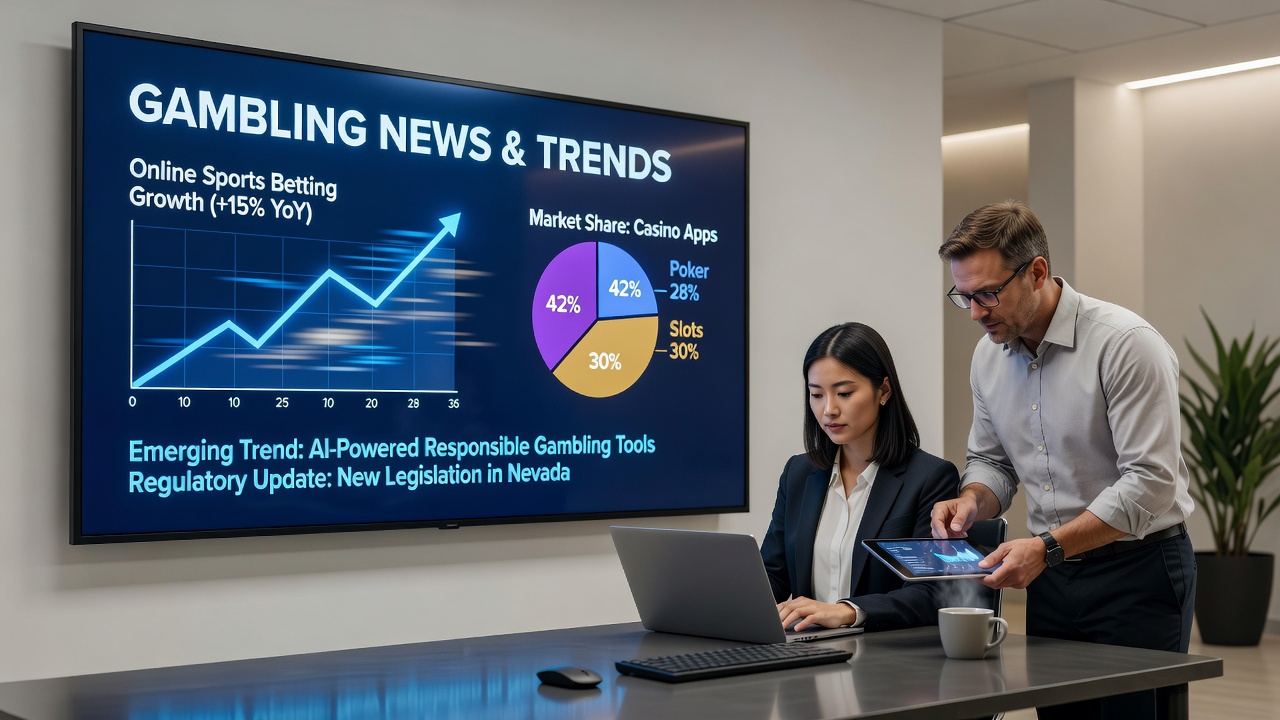
The Nevada Gaming Control Board maintains active opposition to unlicensed prediction markets while its chief has signaled that properly licensed operators can enter the space under full regulatory compliance, and this position underscores the state's broader push to manage emerging platforms within the sports betting sector as of July 2026.
Board leadership has reiterated that any entity seeking to offer prediction market products tied to sports outcomes must first secure appropriate state authorization, and failure to do so triggers enforcement measures designed to protect consumers and maintain market integrity. Observers note that this dual approach combines restriction of unauthorized activity with an explicit invitation for compliant participation.
Regulatory Position on Unlicensed Operations
Current enforcement targets platforms that function without Nevada licenses yet offer prediction contracts on athletic events, and the board has directed resources toward identifying and addressing such operators through available legal channels. Data from regulatory filings indicate that unlicensed markets continue to surface in digital environments, prompting the agency to issue warnings and pursue corrective actions where jurisdiction allows.
Those who have reviewed the board's recent statements understand that the chief's comments distinguish between outright prohibition of illegal activity and openness to regulated alternatives, and this distinction reflects Nevada's established framework for sports wagering oversight. Experts have observed that similar patterns appear when new betting formats emerge, as authorities balance innovation against consumer safeguards.
Pathway for Licensed Operators
Operators that obtain proper state licensing and adhere to all applicable rules receive explicit confirmation that they remain welcome, and the chief's remarks emphasize that compliance opens doors to participation in the prediction market segment. This framework requires adherence to existing sports betting statutes along with any additional conditions the board imposes on these products.
Regulatory staff continue to develop guidelines that address risk management, consumer disclosures, and financial reporting for prediction platforms, and licensed entities must integrate these standards into their operations before launching services. Those who've studied Nevada's licensing process recognize that approval involves thorough background checks, financial audits, and ongoing monitoring once operations begin.
Broader Efforts to Regulate Prediction Markets
The board's actions form part of sustained efforts to bring emerging prediction market platforms under state control within the sports betting space, and officials coordinate with other agencies to monitor cross-border activity that may affect Nevada markets. Figures from industry tracking services show increased interest in prediction contracts tied to game outcomes, player statistics, and seasonal results, which has accelerated the need for clear regulatory boundaries.
Stakeholders who track these developments point to the chief's comments as evidence that the state seeks to channel activity through licensed channels rather than eliminate the product category entirely, and this strategy aligns with Nevada's historical approach to expanding gaming offerings under supervision. Reports indicate that board personnel maintain dialogue with potential applicants to clarify requirements and timelines for licensing reviews.
Implications for the Sports Betting Landscape
Market participants now operate with greater clarity regarding Nevada's expectations, and those preparing applications can reference the chief's statements when designing compliance programs. Enforcement against unlicensed platforms continues in parallel, creating a two-track system that discourages illegal operations while rewarding adherence to rules.
Analysts who follow regulatory trends note that Nevada's position may influence how other jurisdictions approach similar products, although each state retains independent authority over its gaming policies. The board's ongoing work includes evaluation of technology platforms, odds integrity measures, and responsible gaming tools tailored to prediction market formats.
Conclusion
The Nevada Gaming Control Board's stance combines firm opposition to unlicensed prediction markets with an open door for properly licensed operators, and this balanced position supports continued regulatory oversight of sports betting innovations through July 2026 and beyond. Entities seeking involvement now possess a defined route that prioritizes compliance and consumer protection.