Demographic Changes Prompting Customized Reward Structures in Prediction Apps Across Latin America
Leon Ludwig · May 31, 2026
Demographic Changes Prompting Customized Reward Structures in Prediction Apps Across Latin America
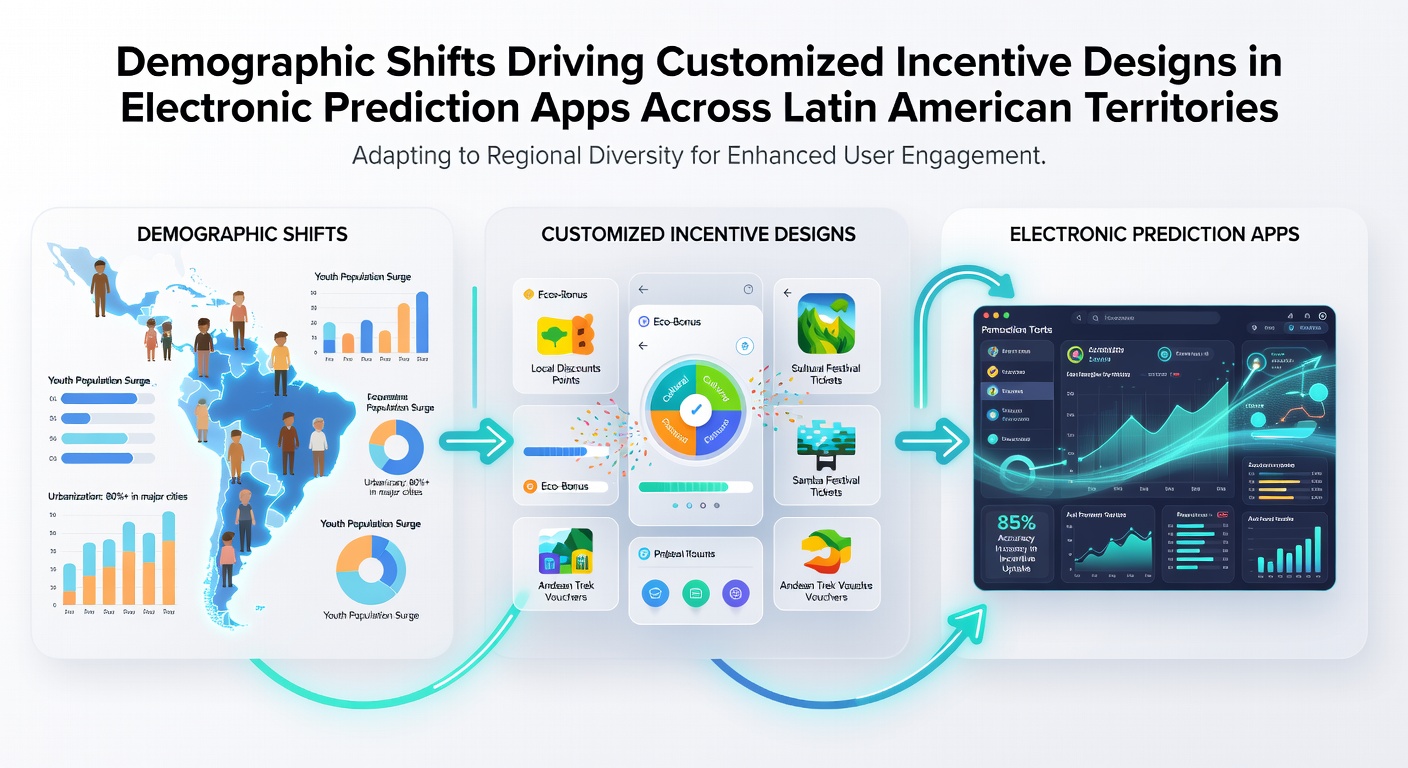
Population patterns across Latin American territories continue to reshape how operators of electronic prediction apps structure their incentive programs, with age distributions, migration trends, and digital adoption rates playing central roles in these adjustments. Data from regional statistical agencies show that countries such as Brazil, Mexico, and Colombia maintain large cohorts of users between 18 and 35 years old, a segment that interacts differently with prediction platforms than older groups. These platforms respond by altering reward mechanics to match usage frequency, preferred event categories, and device types common among younger participants.
Population Composition and Platform Adaptation
Observers note that fertility rates have declined steadily since the early 2000s while life expectancy has risen, producing a median age that still sits below 32 in most territories. This structure means prediction apps encounter high volumes of first-time users who seek quick onboarding processes and immediate feedback loops. Developers have introduced tiered welcome sequences that unlock based on verified identity steps and initial prediction accuracy rather than flat deposit matches. In parallel, internal analytics teams track session lengths by region, revealing shorter but more frequent logins in urban centers where mobile data costs remain low.
Urban Concentration and Connectivity Factors
Internal migration toward metropolitan areas has concentrated users in cities with reliable 4G and 5G coverage. Operators therefore calibrate push notifications and reward reminders around peak commuting hours and evening leisure windows common in these zones. Figures from national telecommunications regulators indicate smartphone ownership exceeds 85 percent among adults in major capitals, enabling finer segmentation of incentive offers according to operating system and screen size. Apps serving these markets often test variable reward densities, offering micro-bonuses for repeated daily logins in high-density areas while extending longer-term streak rewards in regions with intermittent connectivity.
Income Diversity and Spending Behavior Patterns
Household income brackets vary sharply across territories, prompting prediction platforms to layer incentives according to transaction history and average stake size. Research from the Economic Commission for Latin America and the Caribbean documents widening gaps between formal and informal sector earnings, which translate into distinct risk tolerance levels among app users. Platforms respond with segmented loyalty ladders that grant accelerated point accumulation for users who maintain consistent but modest activity levels, while separate tracks reward higher-volume participants with access to exclusive event pools. These designs rely on automated clustering algorithms that update weekly rather than relying on static user categories.
Cross-border movement of young professionals further complicates segmentation, as temporary residents bring preferences shaped by prior exposure to different regulatory environments. Apps accommodate these users through flexible verification flows that recognize documents from multiple jurisdictions and adjust reward eligibility accordingly. Data collected through May 2026 shows an uptick in multi-country account linkages, leading several major platforms to pilot unified reward wallets that carry value across borders without requiring immediate conversion.

Gender and Educational Attainment Influences
Enrollment rates in secondary and tertiary education have risen across the region, correlating with greater comfort among users when navigating detailed prediction interfaces and statistical tools. Platforms have introduced educational micro-rewards that grant small credits upon completion of short explanatory modules about probability concepts or market mechanics. Gender distribution among active users has also shifted gradually, with female participation rising in several markets. Operators track these trends through anonymized demographic dashboards and adjust visual design elements and event categories to maintain balanced engagement across groups.
Regulatory Variation and Compliance Integration
National frameworks governing prediction activities differ considerably, requiring apps to embed jurisdiction-specific rules into their incentive engines. Compliance teams map reward triggers against local restrictions on bonus structures and promotional frequency, ensuring automated systems pause or modify offers when thresholds are reached. This regulatory layering adds complexity but also creates opportunities for differentiated experiences that respect each territory's requirements while still addressing shared demographic drivers.
Future Trajectories Based on Current Indicators
Projections from the United Nations Population Division anticipate continued urbanization alongside slower overall population growth through 2030. Prediction app developers already incorporate these forecasts into long-term product roadmaps, testing incentive models that emphasize retention over acquisition in maturing user bases. Early implementations include adaptive reward schedules that lengthen or shorten based on real-time cohort performance metrics rather than fixed calendars.
Conclusion
Electronic prediction platforms operating in Latin American territories continue to refine incentive architectures in response to measurable demographic variables. Age structures, urban concentration, income variation, and educational trends supply the primary inputs for these adjustments, while regulatory differences add necessary constraints. As population data updates arrive from national statistical offices, operators maintain iterative testing cycles that align reward mechanics with observed user distributions rather than generalized assumptions. This ongoing calibration process reflects the direct link between regional demographic realities and the operational decisions that shape daily platform experiences.